


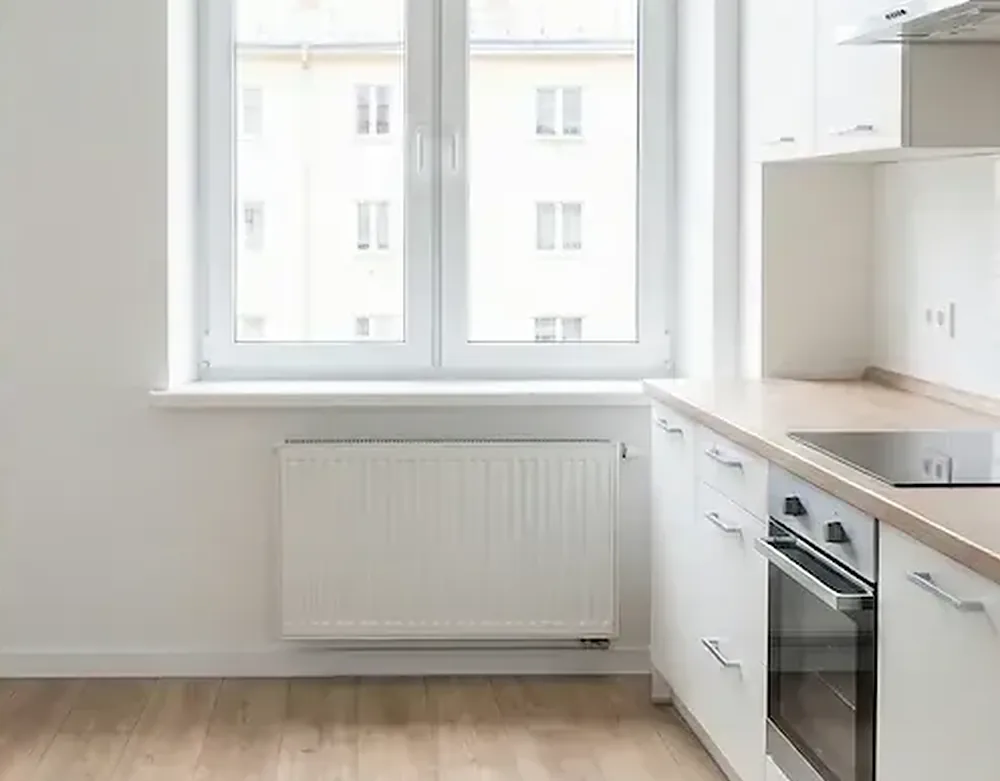
Since 1 August 2024, a rental deposit requested when a Luxembourg residential lease is concluded may not exceed two months' rent, excluding charges. The reform also introduced clearer rules for returning the deposit.
Leaving the property clean matters, but it does not by itself determine whether the full deposit is returned. The check-in and check-out inventories, unpaid rent or charges, the tenant's obligations under the lease and the landlord's supporting documents must be considered together.
This article provides general information based on official Luxembourg sources. It is not legal advice for an individual dispute.
What changed for rental deposits in 2024
Since 1 August 2024, a landlord may request no more than two months' rent, excluding charges, as a deposit when the lease is concluded. The official announcement of the reform also describes refund deadlines and compensation for an unjustified delay.
If your lease predates the reform, check the agreement and the rules currently applicable to your situation before drawing a conclusion about a deposit that was already paid.
How the rental deposit is returned
The official Guichet.lu guide to residential lease agreements distinguishes two situations. If the check-out inventory matches the check-in inventory and all rent has been paid, half of the deposit must be returned within one month of the keys being handed back.
The remaining balance must be returned within one month of the annual service charges being approved by the co-owners' general meeting or of the relevant statements being received.
If the two inventories do not match, the landlord must justify each deduction within one month of the keys being returned. Only the amount needed for work chargeable to the tenant, or for rent and charges already due and unpaid, may be retained.
What the check-in and check-out inventories establish
When a rental deposit is required, the check-in inventory must be prepared no later than the date the tenant moves in. According to Guichet.lu, it should be written, detailed, dated and signed, with both parties able to record their observations.
The absence of a check-in inventory is not automatically favourable to the tenant. Guichet.lu explains that the tenant is then presumed to have received the property in good rental condition. It also states that the landlord cannot use the deposit as compensation for damage without that reference document. The lease and any other available evidence may therefore matter.
A check-out inventory is not legally compulsory, but it is strongly recommended. It provides a record for comparing the property's condition at check-in and when the keys are returned.
Fair wear and tear, damage and cleanliness
Deterioration caused by normal use, wear and tear or ageing must not be charged to the tenant. A deduction for damage must be supported and justified.
Cleanliness should be assessed against the lease, the condition recorded at check-in and the observations made at check-out. Cleaning can help prepare the property for handover, but it cannot determine the legal outcome or guarantee the return of the deposit.
What we see most often at move-out
During our end-of-tenancy cleans, we see two rooms being checked first at the check-out inventory: the kitchen and the bathroom.
- The kitchen is often the most demanding room. Grease settles almost everywhere, including on surfaces you stop noticing in everyday life.
- The bathroom comes straight after: it is the other room that landlords and letting agents look at closely.
The details we most often find overlooked are the ones you no longer notice while living in a home:
- air vents in the kitchen, bathroom or toilet;
- skirting boards, where dust builds up along the walls;
- door frames.
Add them to your list before handing back the keys: a careful check-out inventory will pick them up.
Before we come in, we also ask that no other tradesperson is still working in the property or booked after us: painting, small repairs and the move itself should be finished. We need to see the property as close as possible to the condition in which it will be presented at the check-out inventory. Cleaning before the work is finished could mean doing it again.
What to record before handing back the keys
- Compare the property with the check-in inventory and the lease.
- Photograph the rooms and important details.
- Record any point you disagree with in writing.
- Give the landlord your new address and valid bank details.
- Plan the cleaning around the property, the lease and the accessible areas.
For detailed room-by-room guidance, read our moving-out cleaning guide. It complements the checklist but does not replace the documents signed with the landlord.
If the deposit is not returned on time
The tenant should first request repayment by registered letter with acknowledgement of receipt.
After that formal notice, the law provides compensation equal to 10% of the monthly rent, excluding charges, for each started monthly period of unjustified delay. It does not apply when the delay is attributable to the tenant, for example because valid bank details or a new address were not provided.
The Rent Committee is not competent to deal with rental-deposit disputes. If the disagreement continues, consult the Ministry's official guidance or Luxembourg's official legal information service.
Preparing the property for handover
Fast Clean can review an end-of-tenancy cleaning request. The tasks and availability are confirmed after the property has been assessed and, where necessary, after a visit. Cleaning does not replace the inventory and cannot guarantee the return of the rental deposit.
Need help preparing the property?
Tell us about the property and the work required. We will confirm the possible scope and availability after reviewing the request.
Tell us about the propertyOfficial sources
- Amended Law of 21 September 2006 on residential leases, consolidated version. Accessed 10 August 2026.
- Luxembourg Government — Revision of the residential tenancy legislation. Accessed 10 August 2026.
- Guichet.lu — Check-in and check-out inventories for a residential lease. Accessed 10 August 2026.
- Guichet.lu — Residential lease agreements between tenants and landlords. Accessed 20 August 2026.