


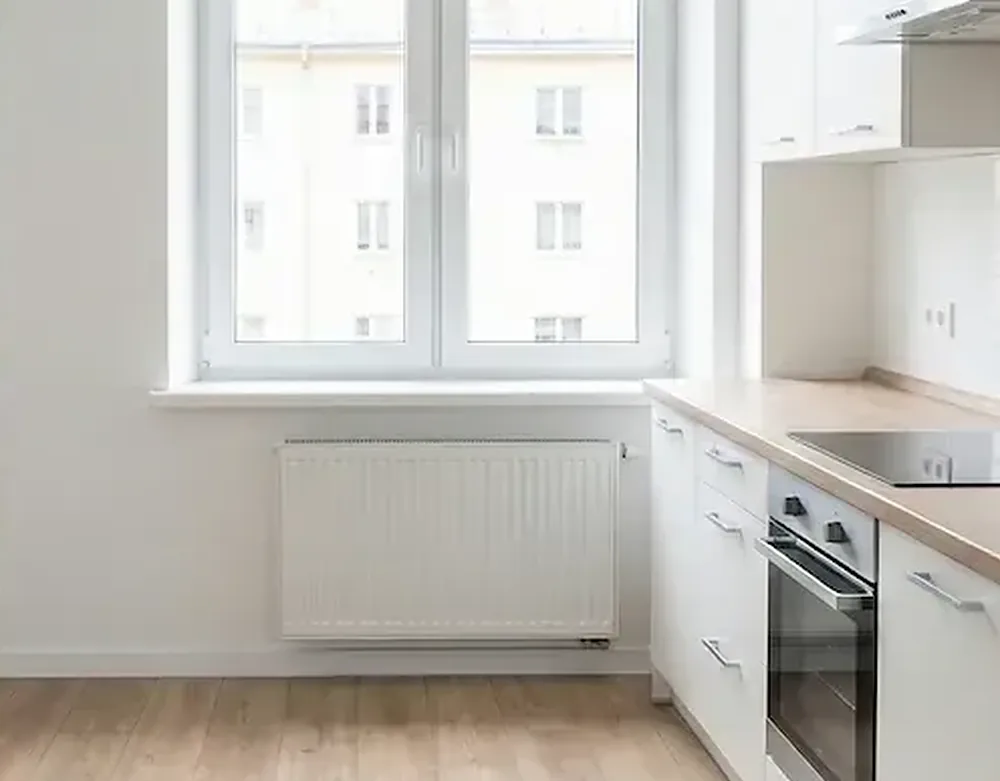
An empty property is often easier to clean, but no two move-outs are the same. The lease, check-in inventory, fair wear and tear and the areas actually concerned all affect what needs attention.
Walk through the property before doing the work yourself or requesting a quote. This helps separate cleaning tasks from possible repairs and matters that need to be discussed with the landlord or agent.
1. Start with the lease and check-in inventory
Read the lease and check-in inventory again. Compare each room, fitting and additional area with the recorded starting condition. Dirt, fair wear and tear and damage are different issues.
According to Guichet.lu, there is no legal obligation to draw up a check-out inventory. The same page does advise preparing a check-in inventory to avoid disputes at the end of the lease. When a check-out inventory is drawn up together, the condition at key handover can be compared directly with that starting point.
Deposit-return rules involve several conditions. For the legal details, refer to our separate guide to deposits and move-out inspections.
2. Walk through the property room by room
Use these points as a way to inspect the property, not as a list of services that are automatically included:
- Kitchen: appliances present, cupboards, worktops and accessible areas;
- Bathroom: sanitary fittings, limescale, grout and accessible ventilation;
- Bedrooms and living areas: floors, skirting boards, doors, switches and relevant storage;
- Windows and blinds: their condition, accessibility and the surfaces to be agreed;
- Additional areas: cellar, balcony or garage only where they form part of the property being returned.
You can also use our interactive end-of-tenancy checklist to prepare a list for your property.
What we check first during an end-of-tenancy clean
On our end-of-tenancy cleans, the kitchen and bathrooms need the most attention. They are also the rooms that landlords and letting agents look at most closely at the check-out inventory.
- Cooker hood filters: they collect cooking grease throughout the tenancy and are among the first things to be forgotten. Check the appliance manual before taking them out: it tells you whether the filter can be cleaned or needs replacing, as is often the case with charcoal filters.
- The tops of the kitchen wall cupboards, where they can be reached: you cannot see them from the floor, but a lot of grease settles there. Use a stable step stool rather than a chair.
- Bathrooms: taps, shower screens, grout, washbasin, toilet and extractor vent. Where the property has more than one bathroom or shower room, each one is checked. Our article on hard water in Luxembourg explains how to deal with limescale.
Next come the spots we most often find missed, simply because you stop noticing them once you live somewhere: the air vents in the kitchen, bathroom or toilet, the skirting boards, which collect dust along the base of the walls, and the door frames. Add them to your list: anyone carrying out the inventory carefully will notice them.
A simple room-by-room method
If you are doing some or all of the end-of-tenancy cleaning yourself, this order helps:
- Clear the room first as far as you can: an empty cupboard is easier to clean, and marks hidden behind furniture become visible.
- Start high: the tops of the wall cupboards, the cooker hood, door frames and air vents. Anything that falls will be picked up later.
- Move on to hand height: worktops, splashback, cupboard doors, handles, light switches and sanitary fittings.
- Finish with the skirting boards, then the floor, working towards the door so you do not walk over areas that are already clean.
- Allow the most time for the kitchen and bathrooms: that is where grease and limescale need the most patience.
- Do a final walk-round with the check-in inventory in hand, ideally in daylight, to spot anything you missed.
3. Separate cleaning from repairs and restoration
A dirty surface is not the same as a damaged wall, deteriorated grout or a faulty appliance. Filling holes, painting, replacing parts and carrying out repairs should not be treated as part of a cleaning service unless they have been agreed separately.
Record these points separately and avoid using an aggressive product on a delicate surface without checking that it is suitable.
Product mistakes to avoid
The wrong product can leave permanent damage where there was only dirt. These are the most common mistakes during a move-out clean:
- Mixing products. Never mix bleach with vinegar, descaler or any other acidic product: the French health safety agency Anses warns that this mixture releases chlorine gas, which harms the airways. Use one product at a time, rinse with water between products and ventilate the room.
- Using abrasives on delicate surfaces. A scouring pad or cream cleaner can scratch stainless steel, high-gloss cupboard doors or shiny plastic. A scratch made while cleaning cannot be undone.
- Using descaler on natural stone. Marble and some limestones react to acids and can lose their shine. Check what the worktop or tiles are made of before applying a descaler.
- Overwetting wooden or laminate floors. Too much water can make the boards swell or leave streaks. A well-wrung mop and a product suited to the floor covering are usually enough.
- Scrubbing hard at old grease. On hood filters or the tops of wall cupboards, a suitable degreaser left for the stated contact time often works better than effort alone. Test it first on a small, hidden area, especially on wood or lacquered doors.
- Skipping the label. Hazard pictograms, dilution, contact time, rinsing and safety instructions are all printed on it. Keep every product in its original container.
In case of accidental contact with a household cleaning product, the poison control centre can be reached from Luxembourg; its details are listed on the official SanteSecu.lu portal. If someone feels unwell or has difficulty breathing, call the emergency services straight away.
4. Decide what you will do and what you want quoted
The choice depends on the time available, the condition of the property, the surfaces concerned and the equipment required. You can complete some tasks yourself and request a quote for the remaining work.
A general checklist cannot determine the scope, duration or price of a service. The property and requested work need to be reviewed before the quote is confirmed. Our end-of-tenancy cleaning service explains how this works.
5. Prepare a useful quote request
Include the following information where possible:
- the type and approximate size of the property;
- whether it will be empty, furnished or partly cleared;
- the preferred date and planned key handover;
- the rooms and additional areas concerned;
- appliances, accessible glazing and any particular surfaces;
- clear photographs where they help explain the condition.
This information helps with the review but does not replace an assessment of the property. The tasks, date and price are confirmed in the quote according to the situation and availability.
6. Choose a practical time
Where possible, the clean is easier to organise after the relevant furniture and boxes have been removed. Leave enough time to inspect the property again before handover.
There is no single booking deadline for every move. Send the request early and wait for availability to be confirmed before arranging the final handover.
Book the clean as the very last job. When we come in, painting, small repairs and the removal itself should already be done, and no other tradesperson or contractor should be booked into the property after us. That way we see the rooms almost exactly as they will be shown at the check-out inventory; a clean carried out while work is still going on may need to be done again.
Our Day-7-to-Day-0 move-out timeline can help you organise your own preparations.
7. Document the condition at handover
Dated photographs can supplement your records. Take clear pictures of the relevant rooms and fittings, and keep the signed move-out inspection report.
Include the places you cannot see at a glance: inside the cupboards, the cooker hood and its filters, the air vents and, where they can be reached, the tops of the kitchen wall cupboards.
Photographs can help document the condition, but they do not replace the jointly completed report or guarantee the return of the deposit.
Official sources
- Guichet.lu — Understanding the specific features of the inventory in the context of a residential lease agreement. Accessed 13 October 2026.
- Anses — warning never to mix bleach and vinegar (in French). Accessed 13 October 2026.
- SanteSecu.lu — Other emergency numbers (poison control centre). Accessed 13 October 2026.
Preparing for a move-out inspection?
Tell us about the property, your preferred date and the points to review. Fast Clean will explain what can be included in a quote, depending on the property and availability.
Request a quote