


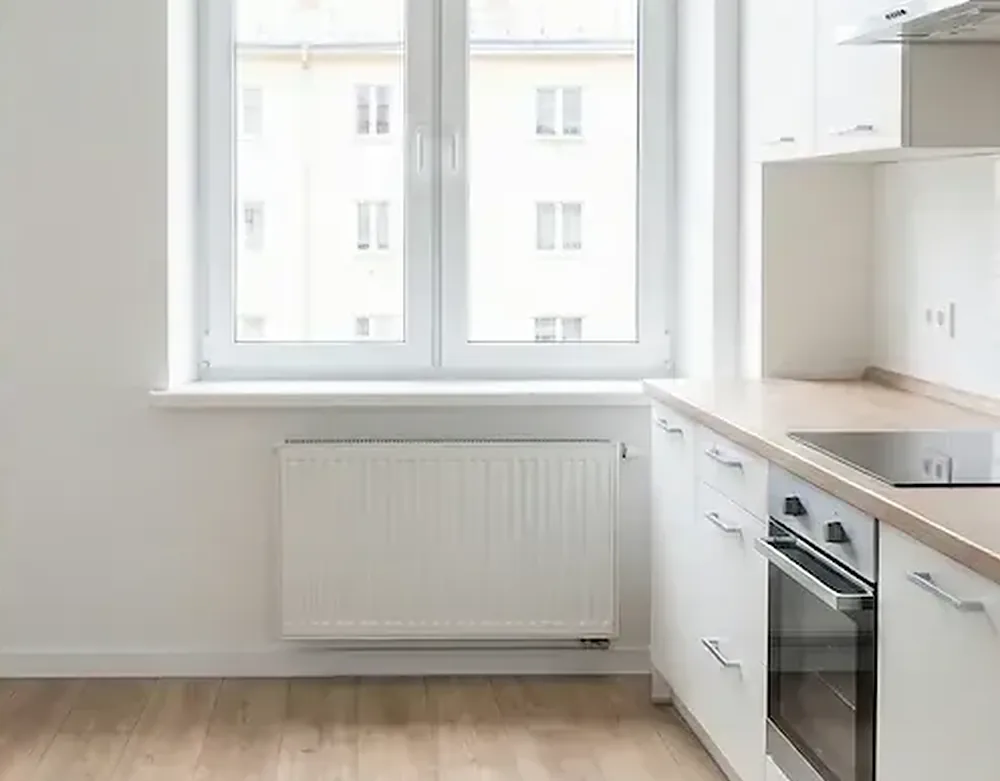
One week before key handover is a useful time to review the work, but it is not a fixed rule. An empty, regularly maintained flat will not require the same schedule as a furnished house. This plan helps you spread the work, allow time for unexpected tasks and check the property without leaving everything until the final evening.
Begin with the tenancy agreement and the check-in inventory. Cleaning can make the handover easier, but it does not determine the deposit on its own. The original condition, fair wear and tear, any damage and the observations recorded at handover also matter.
Seven days is a starting point, not a fixed rule
Use Day 7 as a guide and adjust the schedule to the size and condition of the property and to how quickly rooms become empty. Start earlier if several rooms remain furnished, delicate surfaces need checking or you are considering professional help. The aim is not to fill every day, but to keep important tasks from gathering on the final evening.
Before cleaning: compare the agreement and check-in inventory
Check the tenancy agreement and compare the property with the check-in inventory. In Luxembourg, a move-out inventory is not legally compulsory, although it is usually prepared when the keys are returned. Unless the agreement says otherwise, the property should generally be returned in the condition in which it was received; ordinary use, fair wear and tear and ageing are not treated as tenant damage.
A clean property makes its condition easier to describe, but it does not guarantee a handover without comments or a particular deposit refund. For the rules on inventories, deductions and deadlines, see our guide to the rental deposit and move-out inventory in Luxembourg.
Days 7 to 5: assess the work and check the materials
Look over the oven, any appliances that will remain, grout, limescale deposits, floors and textiles. Note what may need drying time, a second pass or specialist advice. Holes, paint touch-ups and damaged seals are not automatically cleaning tasks; compare them with the agreement and check-in inventory before attempting a repair.
Before using any product, read its label and the manufacturer's instructions, check that it suits the material and test it on a hidden area. Follow the stated contact time, ventilate the room and never mix products. Recurrent mould, damp or a damaged surface should first be investigated and may require the landlord's involvement or an appropriate specialist.
Days 4 to 2: clean rooms as they become available
Work through one room at a time once furniture and boxes no longer block access. Remove dust from higher areas first, then clean accessible surfaces and skirting boards, and finish with the floor. Do not move heavy or unstable furniture by yourself simply to reach a hidden area.
Match every method to the surface and its care instructions. For carpet or a delicate textile, check the label, test a hidden area and allow enough drying time; seek specialist advice if you are unsure. Our move-out cleaning guide keeps the detailed room-by-room list.
Day 1: complete a final room-by-room check
Walk through the property with our end-of-tenancy checklist. Complete the ordinary cleaning of the kitchen, bathroom, accessible surfaces and floors, take out the waste and check appliances and cupboards that should be left empty.
Routine disinfection is not required for this final check. Use a suitable product only where it serves a purpose, then let surfaces and floors dry. Put aside anything you will still need before returning the keys so that you do not have to reopen every box.
Day 0: document the handover
Compare the property with the check-in inventory, record the meter readings and gather all relevant keys, badges and remote controls. Dated photographs can support the record, but they do not replace a detailed move-out inventory prepared with the landlord or their representative.
Read the document before signing it. If a description does not match what you observe, ask for your objection to be noted on the report and keep a signed copy. As the document can be difficult to challenge later, attending the handover in person is advisable where possible.
When professional help may be useful
Help may be useful when the size, condition or access of the property, or the available time, makes the work difficult to organise. If you are considering it, send the request before the final days so that the needs can be reviewed without assuming which tasks are possible.
Fast Clean reviews requests for end-of-lease cleaning and sets out the rooms, tasks and date in a personalised quote. Cleaning prepares the property within the agreed scope; it does not guarantee the outcome of the handover or the return of the rental deposit.
Is your key handover approaching?
Tell us about the property, the tasks concerned and the planned date. After reviewing the request, Fast Clean can define the work in a personalised quote.
Request a visitSources
- Guichet.lu — Particularities of inventories of fixtures for residential leases. Accessed 10 August 2026.
- Guichet.lu — Residential tenancy agreements and rental deposits. Accessed 10 August 2026.